How it happened
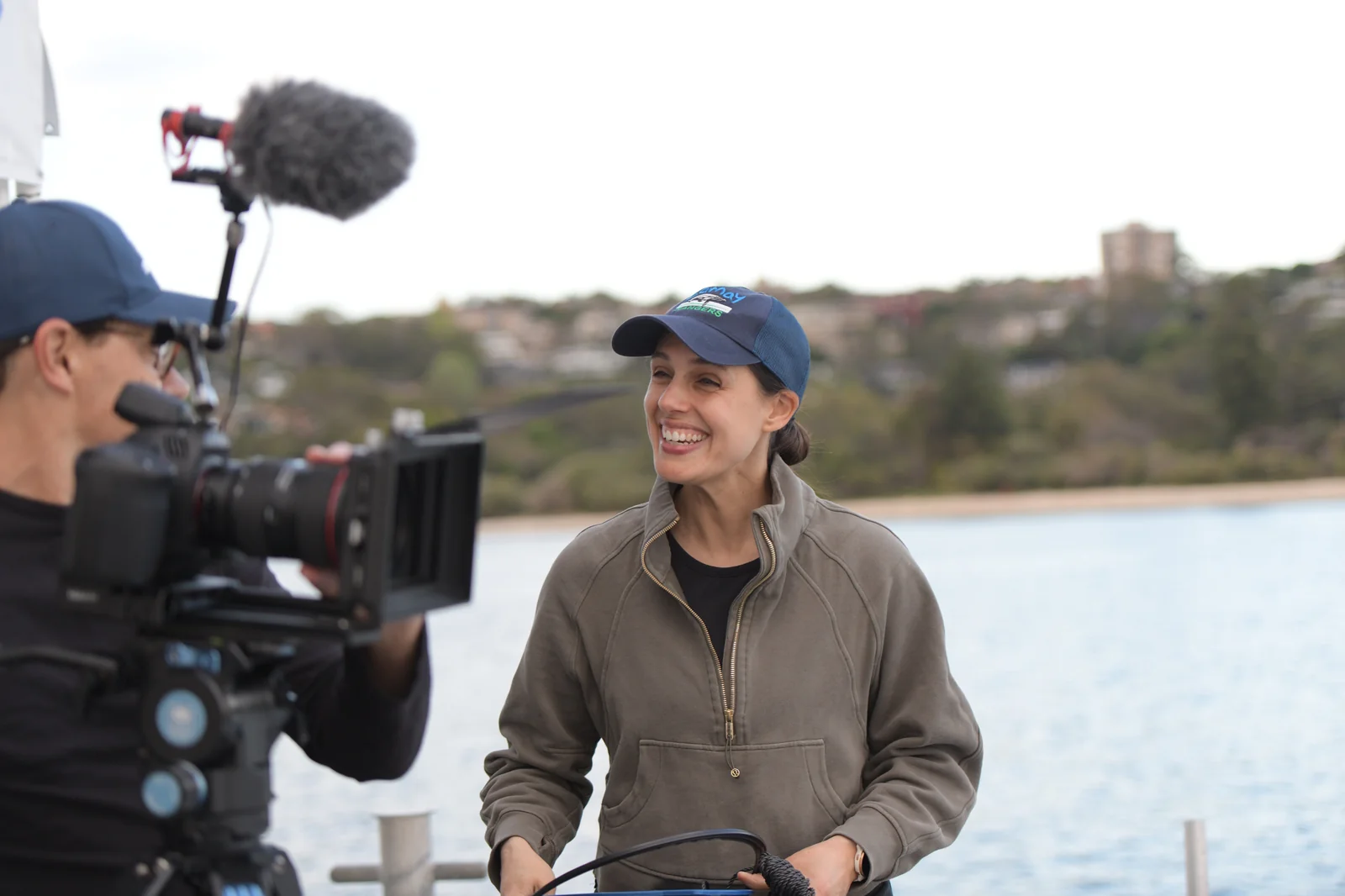
In early October 2025, I joined a research expedition organised through Macquarie University, partnering with Dr Vanessa Pirotta, one of Australia's leading whale and marine mammal researchers, alongside Gamay Rangers (the Traditional Custodians of the ocean Country we were moving through) and a representative from the Powerhouse Museum.
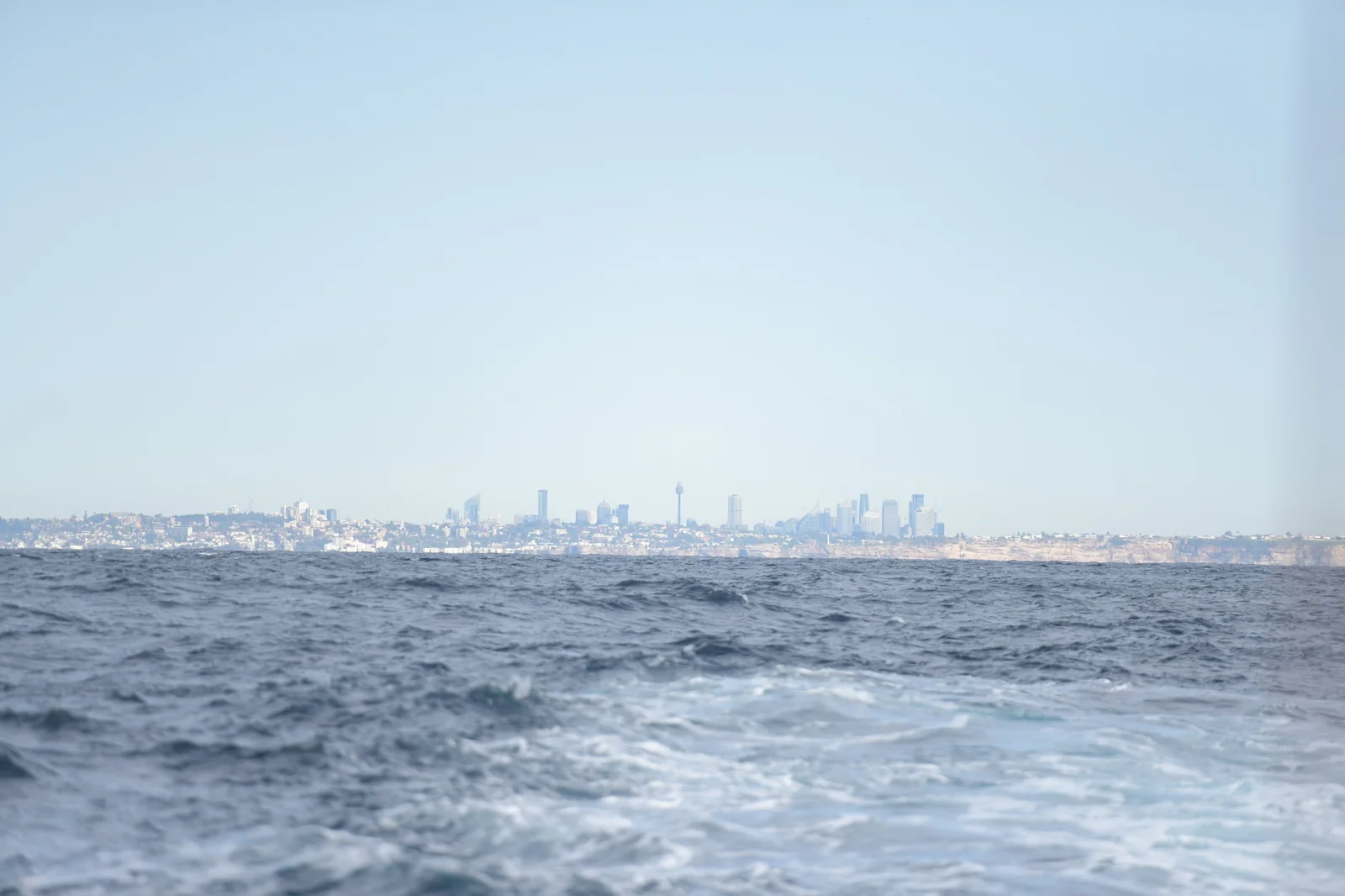
The mission: travel approximately 38 kilometres offshore from Sydney's Sydney Harbour to a deep-sea formation known as Browns Mountain on the continental shelf, and collect environmental DNA samples from the water column at regular intervals along the way. For a collection point this far out, it was a first.
The science
Environmental DNA, or eDNA, is exactly what it sounds like: genetic material left behind in the water by animals that have passed through. Shed skin cells, mucus, waste. Scientists can take a water sample from the middle of the ocean, sequence what's in it, and tell you which species were there.
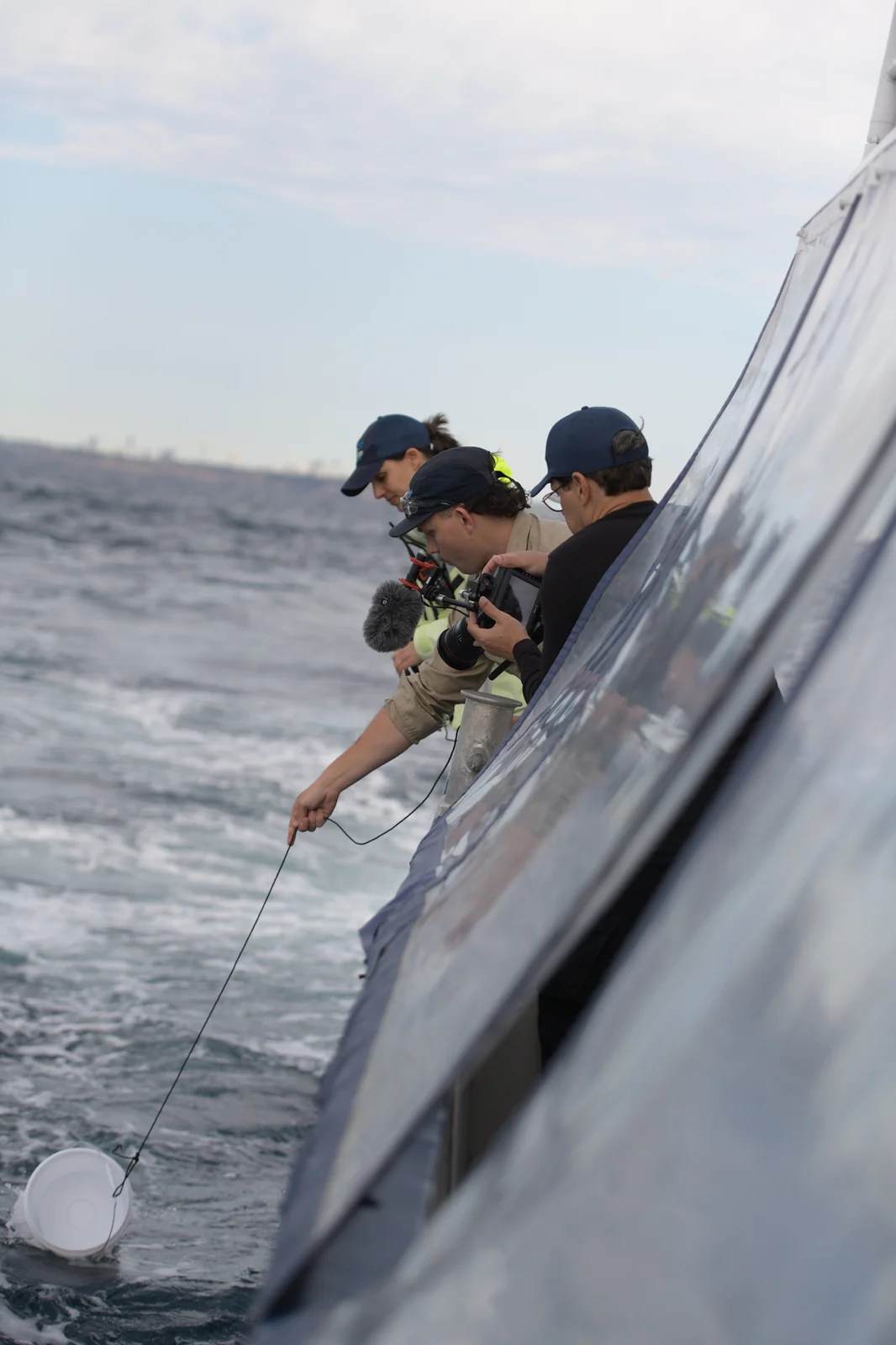
Every few kilometres we stopped the boat. The team lowered buckets over the side, collected water from the surface, and transferred it into sample containers for lab analysis back on shore. They couldn't get live results out there, the processing happens later, but each stop built a picture of what lives in that corridor of ocean between the coastline and the shelf edge.
"We were building a picture of the ocean from the inside out, one bucket of water at a time."
What I brought
Sony was my primary camera for video, with a Nikon alongside for stills. I also had microphones for audio capture, GoPros for behind-the-scenes and wide environmental footage, and phones as backup. My coworker was on the boat too but spent most of the journey dealing with seasickness, so the bulk of the filming fell to me.
Shooting on a moving vessel 38 kilometres from shore in open ocean swells is a genuinely different challenge. You're hand-holding everything, the horizon is never still, and the light changes fast over open water. You adapt or you miss it.
What we saw
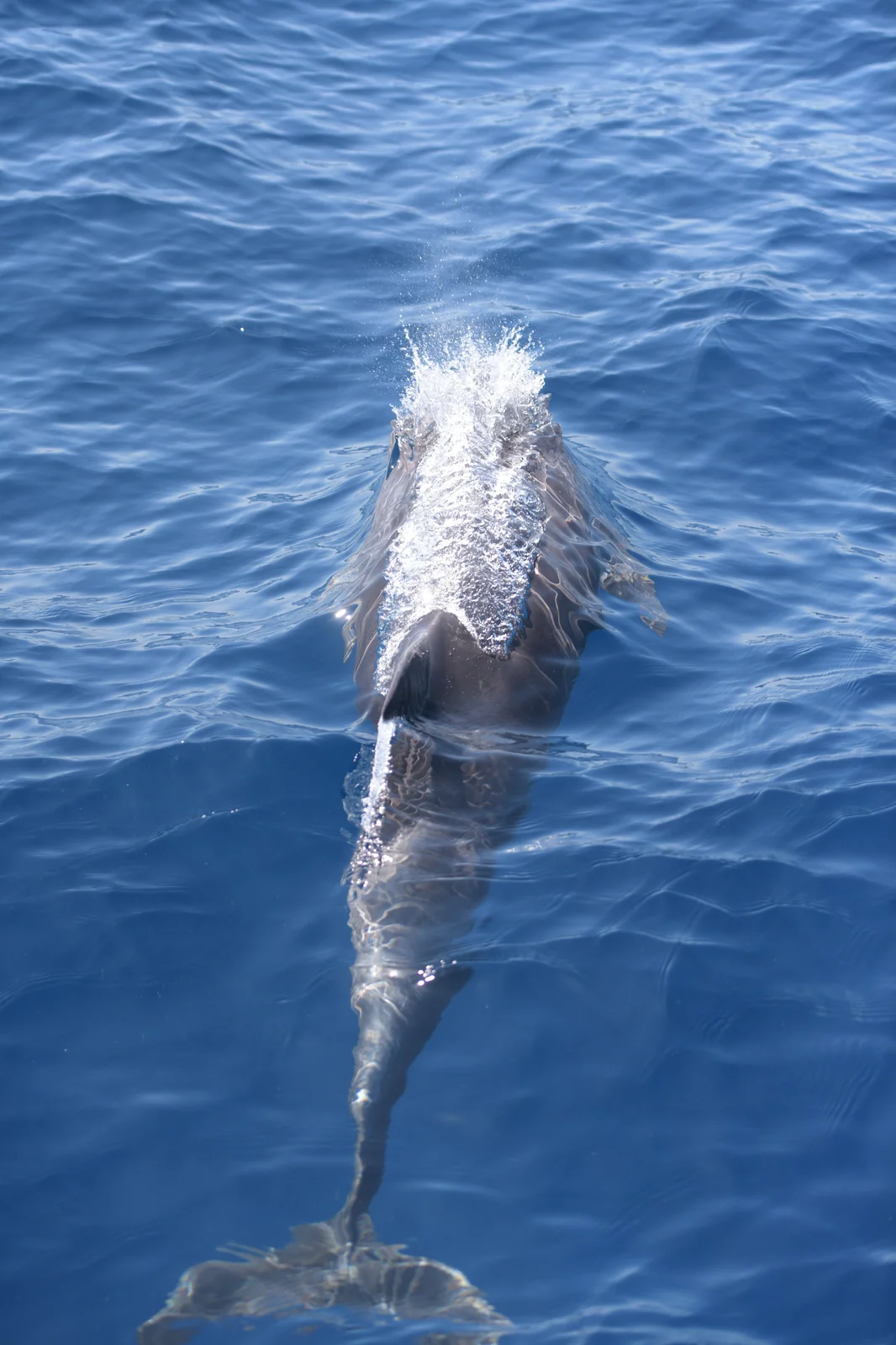
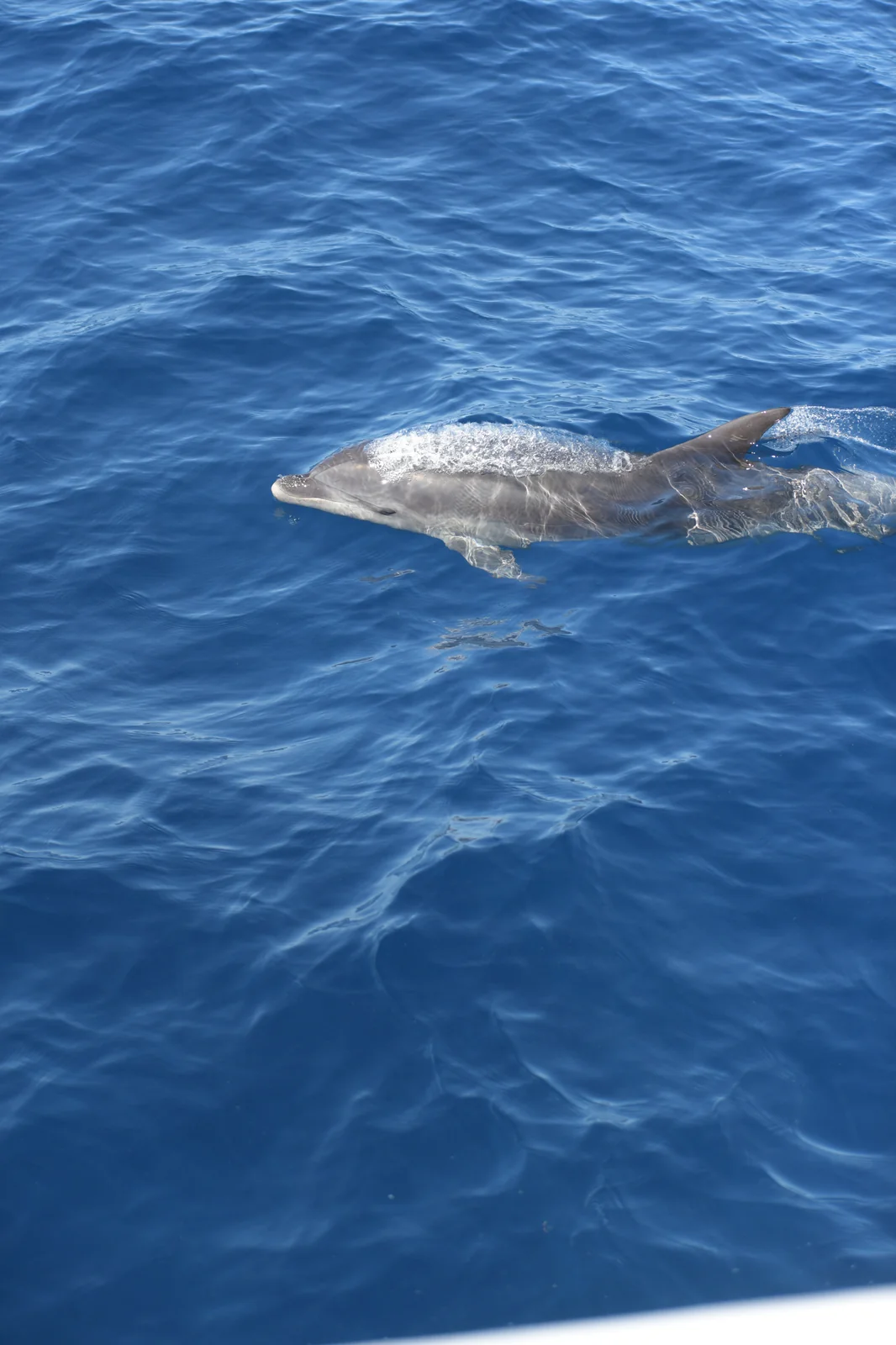
The marine life out there was extraordinary. A massive pod of dolphins found us early and swam alongside the boat, I got extended video of them directly below the bow, which ended up being some of the best footage of the day.
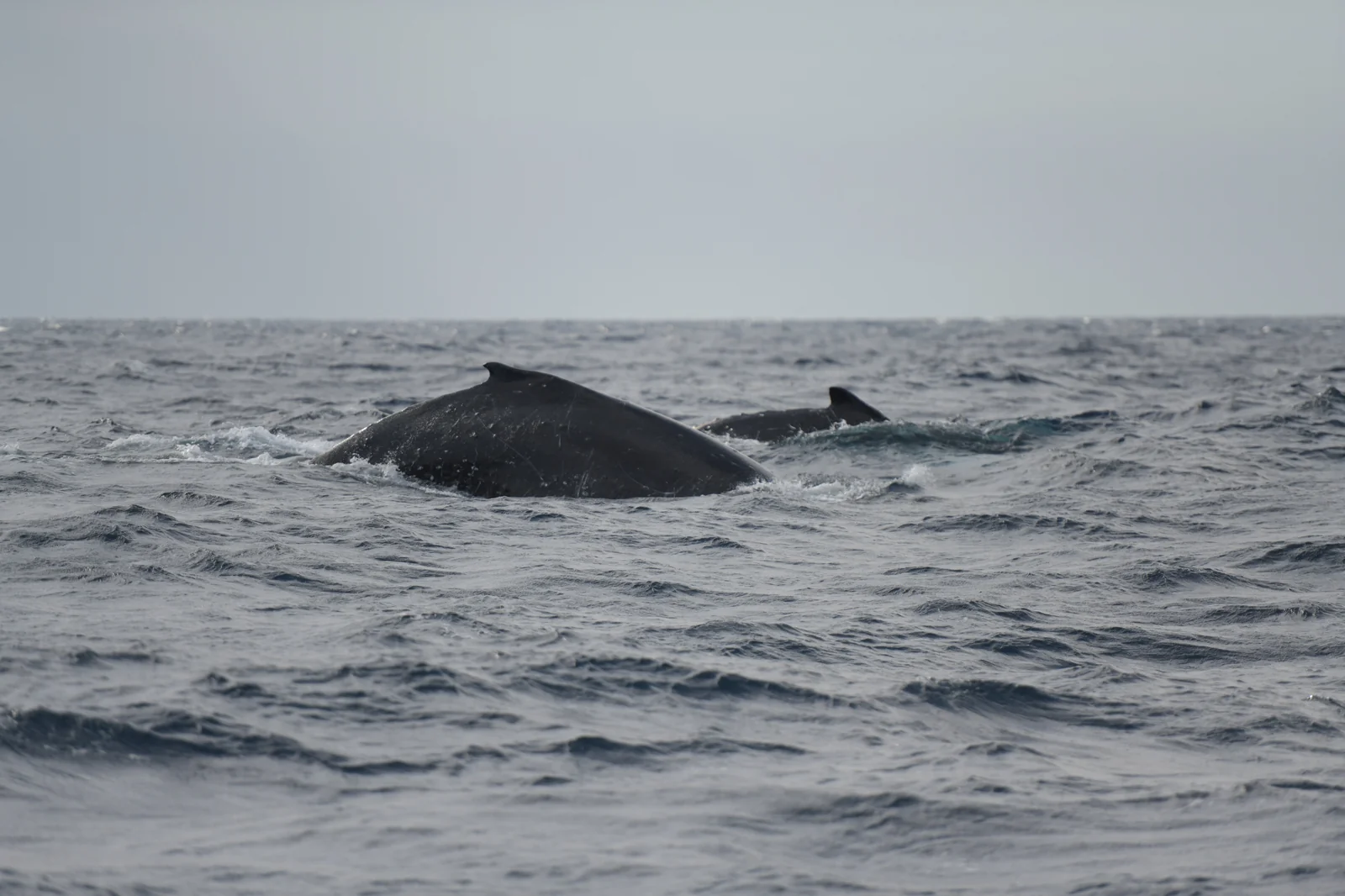
We encountered sharks, seals, and then, the moment that stopped everyone on deck, a whale heat run. A large group of humpbacks in an intense surface display, churning the water around us. Dr Pirotta told us it was one of the largest heat runs she'd ever witnessed. That's not a sentence you forget.
"Dr Pirotta said it was one of the largest heat runs she'd ever seen. That's not a sentence you forget when you're standing on a boat 38km from shore."
Managing the shoot
Days like this don't have a shot list. You keep your camera up, you stay ready, and you learn to brace yourself against the rail while tracking something that's moving faster than you expected. The eDNA collection stops gave us structured moments, scientists at work, equipment over the side, the geometry of buckets and ropes and open water. But the wildlife was pure instinct.
I was responsible for all video and photography across the day. That meant capturing the science, the environment, the people, and the unexpected. By the time we got back to the Sydney Harbour at 3pm, I had more usable footage than any single day shoot I'd done before.